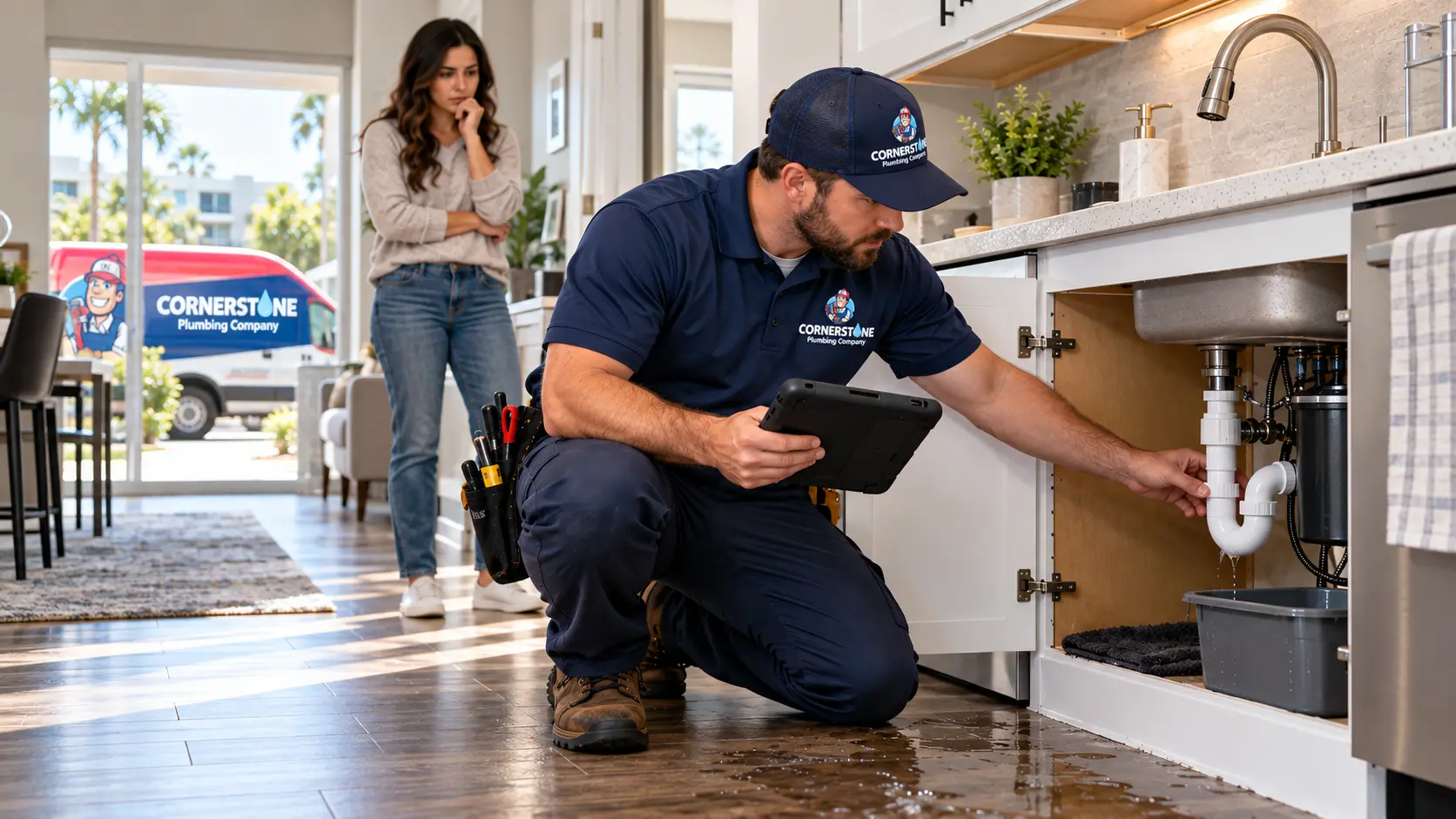
Imagine waking up to the sound of running water and discovering that your apartment floor is covered in water. A burst supply line, overflowing toilet, leaking water heater, or leak from an upstairs unit can turn an ordinary night into a stressful emergency.
When flooding starts, it is natural to worry about your belongings, your lease, and who will pay for the damage. Your first priority, however, is simpler. Keep yourself safe, stop the water source if you can do so safely, and notify the right people immediately.
For renters in St. Petersburg and throughout Pinellas County, a plumbing emergency can involve more than the damaged fixture. Water may spread into neighboring apartments, seep behind walls, or affect electrical systems and shared building infrastructure. Acting promptly can help limit further damage, but entering an unsafe flooded area can make the situation worse.
This guide explains what to do if your apartment is flooding in St. Petersburg, how to communicate with property management, what to document for your records, and when to call an emergency plumber.
Key Takeaways
- Prioritize personal safety. Never enter standing water near electrical outlets, appliances, or potentially energized equipment.
- Shut off the affected water supply only if the valve is safely accessible. Otherwise, contact building maintenance or an emergency plumber.
- Notify your landlord or property manager immediately and keep a written record of the report.
- Photograph and document damage when it is safe to do so, but never delay evacuation to gather evidence.
- Avoid cleaning sewage-contaminated water yourself, because floodwater can contain harmful microorganisms and other hazards.
- Understand the distinction between a plumbing leak and external flooding when reviewing insurance coverage.
- Arrange prompt drying and a professional assessment to identify hidden moisture and plumbing damage.
What to Do in the First Few Minutes
When water is spreading through your apartment, it is easy to focus on mopping, moving furniture, or saving electronics. Start instead with safety and the source of the water.
Step 1: Check Whether the Area Is Safe
Before entering a flooded room, look for electrical hazards, water near outlets, damaged wiring, or signs that water is coming through a light fixture. Do not touch electrical appliances, plugs, switches, or a breaker panel if you are standing in water or the equipment may be wet.
If water is near electrical equipment or you cannot determine whether the area is safe, stay out and contact emergency services as necessary. Do not try to cross the water to reach an electrical panel.
Leave the apartment if the ceiling is sagging or water is entering from a hazardous source. If there is immediate danger to anyone, call 911.
Step 2: Stop the Water if You Can Do So Safely
If the source is an overflowing toilet, a leaking sink connection, or a visible supply hose, an accessible fixture shut-off valve may stop or reduce the flow. Turn it off only if you can reach it without entering an unsafe area.
For a failed water heater or a pipe hidden inside a wall, you may need assistance from building maintenance or a licensed plumber. Do not operate unfamiliar building equipment or shut off water for other units without authorization.
Tell the maintenance team where the water appears to be coming from, which rooms are affected, and whether the flow is still active.
Step 3: Contact Property Management and Emergency Maintenance
Call the building’s emergency maintenance number or property manager as soon as possible. Explain that there is active water intrusion, whether you believe the source is inside your unit or another apartment, and whether water is spreading into shared areas.
If you cannot reach anyone and the water continues to flow, seek qualified emergency plumbing assistance. Do not assume a message left in a general maintenance mailbox has been seen.
Once you have called, follow up with a written message through email, text, or the tenant portal. Include the time you discovered the problem, the location, the visible symptoms, and the steps already taken.
Step 4: Protect People Before Property
Move children, pets, and other occupants away from the affected area. Do not walk through potentially contaminated water to rescue possessions, and do not use household electrical equipment to vacuum standing water.
If the leak is coming from an upstairs apartment, alert building management and notify the neighbor if it is safe and practical to do so. Avoid entering another unit without permission, as management may need to coordinate access across multiple apartments.
The priority is to stop the immediate danger and arrange a safe response rather than to save every item before help arrives.
What to Do After the Water Is Controlled
Once the water source has been stopped or contained, shift your attention to documentation, damage prevention, and arranging proper repairs.
Document the Damage Before Moving Items
If the area is safe, take photographs and videos showing where the water entered, how far it spread, and which belongings or surfaces were affected. Record the date and time, and keep copies of messages sent to property management.
Capture damage to flooring, walls, ceilings, cabinets, furniture, electronics, and other possessions. Save relevant maintenance reports, work orders, and receipts.
Do not delay urgent repairs just to collect evidence. Safety and preventing further damage come first, and you can continue documenting as conditions allow.
Move Belongings Only When It Is Safe
If the water is clean, the floor is safe to enter, and there are no electrical hazards, you may be able to move dry belongings away from the affected area. Remove rugs and portable items from wet surfaces where practical.
Do not handle water that may contain sewage or other contaminants. If contamination is uncertain, ask qualified cleanup professionals to assess the area before you proceed.
Avoid opening walls, pulling up flooring, or attempting repairs that could expose electrical wiring or damaged building materials. Those tasks belong to qualified professionals.
Arrange Prompt Drying and Inspection
Water that remains inside walls, flooring, or cabinets can create additional problems even after visible puddles are gone. Notify management if materials remain damp or you notice persistent odors, discoloration, bubbling paint, or swollen flooring.
The U.S. Environmental Protection Agency recommends drying wet materials promptly, ideally within 24 to 48 hours, to reduce mold risk. Hidden moisture may require professional drying equipment and a thorough moisture assessment.
For more extensive flooding, building management may need to coordinate a water-damage restoration company alongside a licensed plumber. Drying, contamination cleanup, and structural restoration may each require different specialists.
Apartment Flooding in St. Petersburg: Landlords, Tenants, and Responsibilities
A flooded apartment raises several difficult questions. Who is responsible for the repair? What if water comes from another unit? What happens if the apartment is temporarily uninhabitable?
The answers depend on the cause of the damage, the rental agreement, applicable law, and the specific facts of the situation.
Notify Your Landlord in Writing
Florida Statutes §83.51 addresses landlords’ obligations to maintain rental premises in reasonable working condition, including plumbing. The statute also includes exceptions for damage caused by a tenant’s negligent or wrongful conduct.
For an active leak, notify property management immediately through its emergency contact process. Keep a written record of the notification, including the time, reported source, visible damage, and any response received. Keep the wording factual and straightforward.
What If the Flooding Comes From an Upstairs Apartment?
Water may travel through ceilings, light fixtures, wall cavities, and flooring from a leak in an apartment above yours. The visible damage inside your unit may be far from the original plumbing failure.
Notify both property management and the emergency maintenance team. If safe, photograph the water’s location and progression. Ask management to document the reported origin of the leak and coordinate access to the affected units.
Do not assume the upstairs tenant is automatically liable for your belongings. Responsibility can depend on the cause, negligence, lease terms, and applicable insurance policies.
Understand Florida’s Flood Disclosure Law
Florida Statutes §83.512 requires landlords to provide a separate flood disclosure before entering into a residential rental agreement for a term of one year or longer. The statute addresses specific forms of flooding, such as overflow of inland or tidal waters and sustained standing water from rainfall.
This law should not be confused with every internal plumbing leak or burst pipe inside an apartment. An internal plumbing failure and external flooding can be treated differently under the statute and insurance policies.
If the unit has significant damage or you are considering ending your tenancy, seek advice from a qualified Florida tenant-rights attorney or legal aid organization before acting.
Should You Withhold Rent or Leave the Apartment?
Do not stop paying rent or assume you can immediately terminate your lease solely because flooding has occurred. Florida Statutes §83.56 includes a written-notice process for certain landlord noncompliance situations, and its application depends on the circumstances.
Ask management for written instructions about repairs, temporary relocation, and next steps. If you are considering withholding rent or terminating a lease, obtain legal guidance first.
Insurance, Repair Costs, and Your Personal Belongings
After the immediate emergency, you may need to contact your renters’ insurance company and keep track of related expenses.
Does Renters’ Insurance Cover Apartment Flooding?
Coverage depends on the cause of the water damage and the terms of your policy. A renters’ policy may cover certain losses from sudden, accidental internal plumbing failures. Damage caused by external flooding or rising waters may require separate coverage.
Contact your insurer, describe what happened, and ask which policy provisions apply. Keep photographs, receipts, and a list of affected items. If you need to relocate temporarily, ask whether your policy includes coverage for additional living expenses.
Who Pays for the Plumbing Repair?
The answer depends on the source of the failure, the rental agreement, and whether anyone’s actions contributed to the damage.
In many apartment emergencies, property management coordinates repairs to the building’s plumbing and structure. Before hiring someone independently, contact management when possible and clarify who is authorized to approve work. If management cannot be reached and water is actively causing damage, seek qualified emergency assistance and keep records of the circumstances.
When Should You Call an Emergency Plumber?
Not every drip requires an emergency visit, but active flooding, a burst pipe, or a serious sewage backup may need urgent professional attention.
Contact an emergency plumber when:
- Water continues flowing despite using a safe, accessible shut-off valve.
- A pipe has burst or water is spreading rapidly across the apartment.
- Water is entering through a ceiling, wall, or concealed area and the source is unclear.
- Several fixtures are backing up or sewage is entering the living space.
- A plumbing failure needs diagnosis before building maintenance can determine the next step.
If the flooding involves electrical danger or structural instability, leave the affected area and contact emergency services first.
How Professional Leak Detection Helps
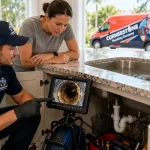
A plumbing leak can occur behind a wall, beneath a cabinet, or inside another concealed area, making the source difficult to identify. Professional leak detection can help narrow down the location of a hidden leak and guide the appropriate repair. A camera inspection may also help identify obstructions or defects inside a drainage line.
For renters in St. Petersburg, coordinating with building management is especially important when plumbing serves multiple units or involves shared infrastructure.
How to Reduce the Risk of Another Apartment Flood
Once repairs are complete, a few practical precautions can help reduce the likelihood of another plumbing emergency.
- Check visible supply hoses and connections. Look for leaks, corrosion, bulging, or loose connections around sinks, toilets, washing machines, and accessible water heaters. Report concerns to maintenance rather than attempting repairs beyond your authorization.
- Know where your shut-off valves are. Learn which valves serve your fixtures and how to contact building maintenance if the unit’s main water supply needs to be shut off.
- Report small leaks promptly. A minor drip, recurring damp spot, or unexplained water stain can be an early warning. Report it before it becomes an active leak.
- Consider water leak detectors. Where permitted by your landlord, detectors placed near a water heater or washing machine can provide an early warning when moisture appears. They supplement regular maintenance but do not replace it.
- Keep emergency contact information accessible. Save your property manager’s emergency maintenance number and know the procedures for reporting water damage outside normal business hours.
Get Help With a Plumbing Emergency in St. Petersburg
Apartment flooding is stressful, but a clear response plan helps you protect yourself, document the situation, and get the right people involved.
Prioritize safety, stop the water only when it is safe to do so, notify property management, and keep a written record of the incident. Once the immediate danger is controlled, arrange a plumbing inspection and make sure affected areas are properly dried.
Cornerstone Plumbing Company helps homeowners and property managers address plumbing problems through professional diagnosis and repair. If a plumbing failure is causing water damage in St. Petersburg, identifying the source promptly is an important step toward restoring the apartment.
Facing an Urgent Plumbing Problem?
Get professional plumbing assistance to identify the source of the leak, assess the problem, and determine the appropriate next steps.
Frequently Asked Questions