
Water Leak Repair Tampa Bay: Protect Your Home’s Foundation
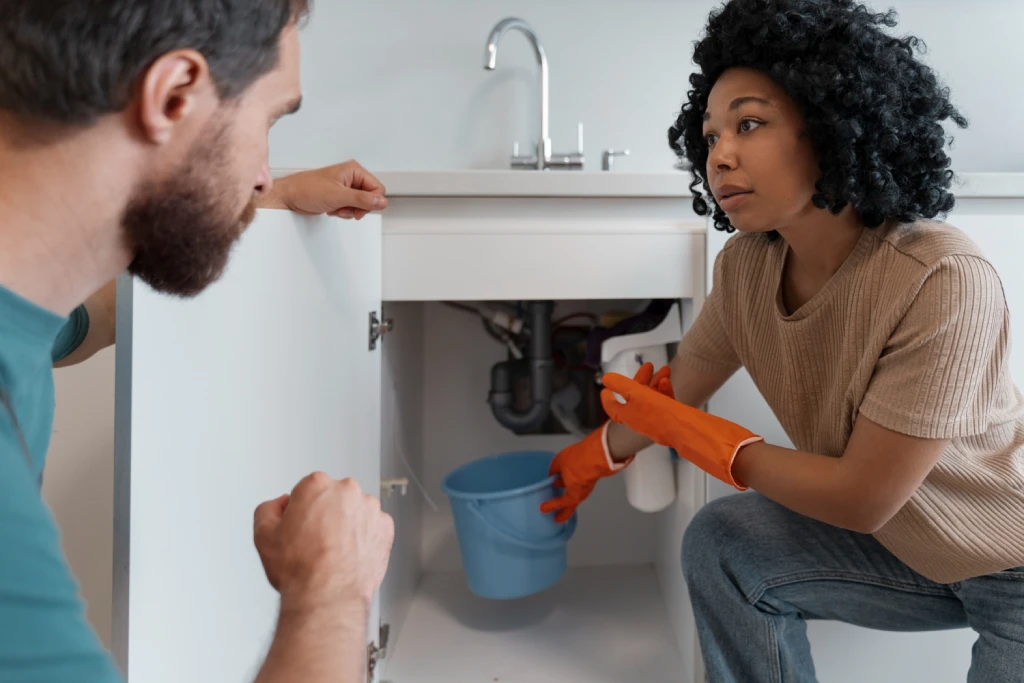
Plumbing emergencies can happen without warning — a burst pipe in the middle of the night, an overflowing toilet before guests arrive, or a leaking water heater that suddenly floods the floor. In situations like these, quick action can help reduce water damage, protect your home, and save you money on repairs.
Knowing what to do in the first few minutes of a plumbing emergency can make a big difference while you wait for professional help.
What Counts as a Plumbing Emergency?
Not every plumbing issue needs immediate same-day service, but some problems should never be ignored. A plumbing issue is considered an emergency when it causes active water damage, creates a health hazard, or affects essential plumbing systems in your home.
Common emergency plumbing issues include:
- Burst or frozen pipes
- Overflowing toilets
- Major water leaks
- Sewer line backups
- Clogged drains causing flooding
- No running water
- Broken water heaters
- Gas line concerns (if handled by licensed plumbers in your area)
If you notice water spreading quickly, sewage backing up, or a sudden loss of water pressure, it’s best to contact an emergency plumber as soon as possible.
Step 1: Shut Off the Water Immediately
The first thing to do during most plumbing emergencies is to stop the flow of water.
If the problem is isolated to one fixture — such as a sink, toilet, or faucet — look for the local shut-off valve near that fixture. If you can’t stop the leak locally, shut off the home’s main water supply.
Where is the main water shut-off valve?
It’s usually located:
- Near the water meter
- In the basement
- In a utility room
- Outside the home near the foundation
Every homeowner should know where this valve is before an emergency happens.
Step 2: Turn Off the Water Heater if Needed
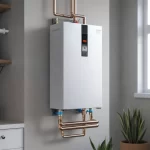
If you’ve shut off the main water supply and your plumbing issue involves hot water or a leak near the water heater, it’s a good idea to turn off the water heater too.
This helps prevent:
- Pressure buildup
- Overheating
- Additional system damage
For gas water heaters, switch the unit to the “pilot” setting. For electric water heaters, turn it off at the breaker panel.
If you’re unsure how to do this safely, wait for a licensed plumber.
Step 3: Contain the Water Damage
Even a small leak can cause major property damage if left unchecked. While waiting for your plumber, try to control the water as much as possible.
You can:
- Use towels or rags to soak up standing water
- Place buckets under active drips
- Move furniture, rugs, and electronics away from the affected area
- Open windows or use fans to help dry the space
The faster you remove water, the lower the chance of mold growth and structural damage.
Step 4: Avoid DIY Repairs That Could Make It Worse
It’s tempting to try a quick fix during a plumbing emergency, but some temporary repairs can actually create bigger problems.
Avoid:
- Using chemical drain cleaners
- Overtightening leaking pipe fittings
- Ignoring sewage backups
- Attempting to remove pipes without the right tools
- Using duct tape as a permanent repair
A small leak can quickly become a much larger repair if the wrong fix is applied.
Common Signs You Need an Emergency Plumber
Some plumbing issues start small and get worse over time. If you notice any of the following signs, don’t wait too long to get professional help:
1. Water stains on walls or ceilings
This may indicate a hidden pipe leak behind the wall or above the ceiling.
2. Sudden drop in water pressure
A drop in pressure could mean a pipe has cracked or burst somewhere in the system.
3. Gurgling drains or toilets
This often signals a blockage or sewer line issue.
4. Foul sewage smells
Bad odors coming from drains or bathrooms can be a warning sign of a sewer backup.
5. Standing water around fixtures
Puddles around toilets, sinks, tubs, or water heaters should never be ignored.
Why Fast Emergency Plumbing Service Matters
The longer a plumbing emergency goes untreated, the more expensive it can become.
Quick response helps prevent:
- Water damage to flooring and drywall
- Mold and mildew growth
- Damage to cabinets and furniture
- Electrical hazards
- Higher repair and restoration costs
Calling a trusted emergency plumber early can often save you from much bigger repairs later.
How to Prevent Plumbing Emergencies
While not every emergency can be avoided, regular plumbing maintenance can reduce the risk of sudden breakdowns.
Helpful prevention tips:
- Don’t flush wipes, paper towels, or hygiene products
- Avoid pouring grease down kitchen drains
- Insulate exposed pipes during winter
- Fix small leaks before they get worse
- Schedule regular plumbing inspections
- Replace aging water heaters before failure
Routine maintenance is one of the easiest ways to protect your plumbing system and your home.
Need Emergency Plumbing Help?
When a plumbing emergency strikes, acting quickly is the key to minimizing damage and restoring your home safely.
Whether you’re dealing with a burst pipe, clogged drain, overflowing toilet, or water heater issue, professional emergency plumbing service can help diagnose the problem and fix it fast.
If you’re facing an urgent plumbing issue, don’t wait for the damage to get worse — contact a licensed emergency plumber right away.

Licensed, insured, and experienced plumbers

Upfront pricing with no hidden fees

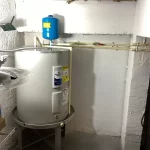
Same-day water heater service across Tampa Bay

Long-lasting repairs and professional installations